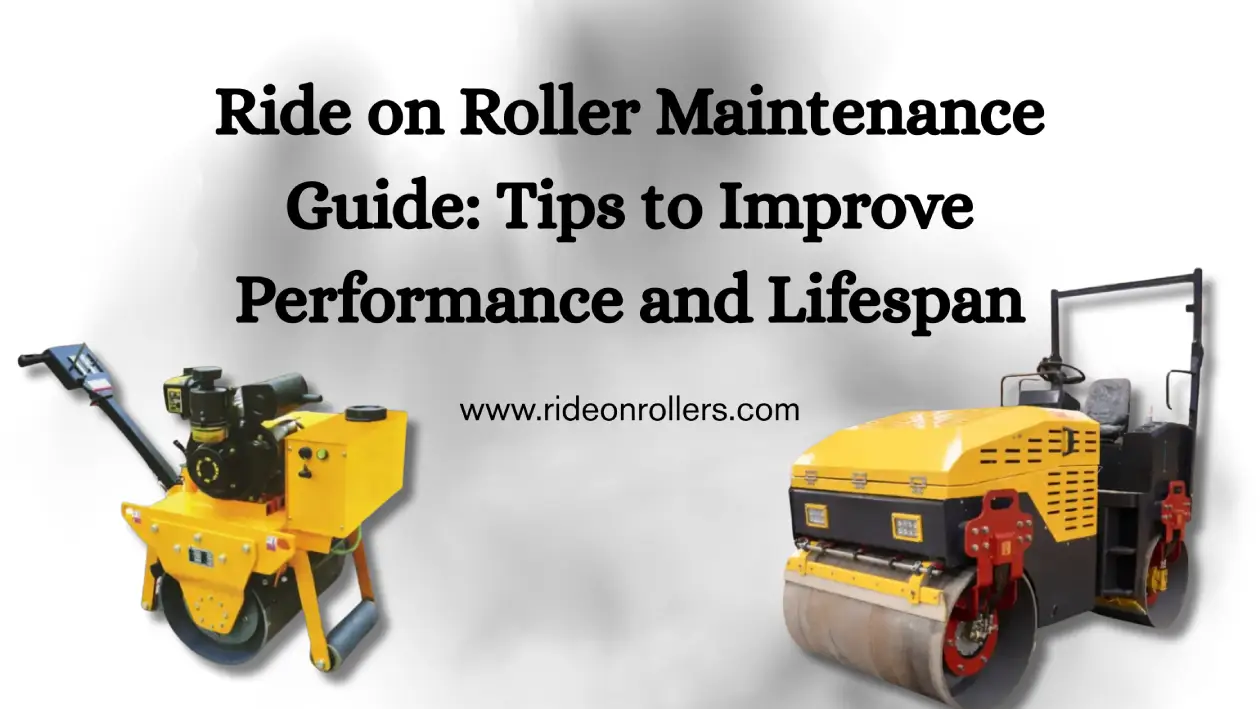
Introduction
A Ride on Roller is basically an essential construction tool, for compacting soil, asphalt, and other materials, especially in road building and big infrastructure jobs… even in commercial developments. These machines are made to take on heavy workloads and rough site conditions, so regular upkeep is really crucial or it will bite you later.
Doing proper maintenance doesn’t only push the performance of your Ride on Roller higher. It also helps to avoid the sudden breakdowns, cuts down on the repair expenses and stretches the whole service life of the equipment. If you’re a contractor, part of a construction company, or you operate the machine yourself, sticking to a sensible maintenance routine keeps everything running smooth, efficient and steady.
A dependable Ride on Roller Manufacturer will usually advise regular checkups and scheduled servicing. That way you maintain machine efficiency, and you get compaction results that stay consistent, not random day to day.
This guide covers key maintenance tips, meant to support better performance and long-term durability for your Ride on Roller.
Why Regular Maintenance of Ride on Roller Is Important
Construction equipment works under pretty extreme conditions, including dust, heavy loads, vibration, and continuous operation. Without proper maintenance, machine components can wear out faster and then affect overall productivity.
Regular maintenance helps, not just a bit, it really does:
- Improves machine efficiency
- Cuts down on fuel consumption
- Prevents costly repairs
- Extends the equipment life span
- Ensures operator safety
- Keeps compaction quality consistent
A well maintained Ride on Roller gives better outcomes and supports smooth project completion.
Essential Ride on Roller Maintenance Tips
1. Perform Daily Equipment Inspection
Before starting daily operations, operators should inspect the machine carefully, ya know.
- Daily checks should include
- Engine condition
- Fuel level
- Hydraulic system
- Drum condition
- Tyre or steering components
- Leakage inspection
- Safety controls
Spotting small issues early can help stop bigger mechanical failures while it’s in use.
2. Keep the engine handled properly
The engine is one of the most essential pieces of a Ride on Roller. If you do regular engine care, you get steady performance and smoother operation, more or less.
Key engine maintenance actions include
Check Engine Oil
Engine oil reduces friction between moving parts, and keeps things running smoothly. If the oil is low or dirty it can cause overheating and then damage.
Replace Filters regularly
Air and fuel filters should be cleaned or swapped out based on what the manufacturer says, so the engine stays efficient.
Monitor Cooling system
Check the coolant levels, and make sure the cooling system works as it should to prevent overheating.
Good engine attention boosts fuel efficiency, and also helps extend the working life of the machine.
3. Check Hydraulic System Performance
The hydraulic system kind of controls key machine functions, like vibration and steering, you know.
Make a habit to regularly inspect—
- Hydraulic oil levels
- Hydraulic hoses
- Connections
- Leakage issues
- Pressure performance
If the hydraulic oil is low or some part is damaged, it can lower machine efficiency, and then you get expensive repairs later.
Keeping up with the hydraulic system helps the machine run smoothly, with better control too.
4. Keep the Roller Drum Condition in check
The drum is what applies pressure and vibration during compaction, basically.
Proper drum upkeep should include
- Cleaning dirt and asphalt residue
- Checking for any surface damage
- Inspecting vibration performance
- Confirming proper alignment
A clean, well maintained drum usually gives better compaction results and it also helps the surface quality.
5. Look over the Vibration System
The vibration system has a big role in getting effective compaction done.
Operators should check
- Vibration performance
- Vibration frequency
- Bearings
- Related components
If there’s any unusual noise or vibration, it should be inspected right away so you don’t end up with more damage.
Keeping the vibration system maintained properly ensures efficient soil and asphalt compaction.
6. Lubricate Moving Components
Regular lubrication kinda helps keep friction low between the parts that actually move, and it also blocks premature wear, not just in theory but in practice.
Some important spots that really need lubrication are, sort of:
- Steering joints
- Bearings
- Moving connections
- Mechanical components
When you use the recommended lubricant, the components run better and they also tend to last longer, overall.
7. Check electrical components
Most modern ride on rollers come with a bunch of electrical systems, both for normal operation and for safety.
You should inspect regularly, like
- Battery condition
- Wiring connections
- Lights
- Control panels
- Warning indicators
Electrical trouble can mess with machine operation so it should be dealt with fairly quickly.
8. Keep the machine clean
Construction sites are messy, dust mud and debris are everywhere, and that stuff can really affect how the machine performs.
Regular cleaning supports:
- Preventing component damage
- Improving visibility
- Reducing corrosion
- Keeping a professional appearance
Also, try to focus on:
- Engine area
- Hydraulic components
- Drum surfaces
- Cooling system
A cleaner machine usually works more efficiently and often needs fewer repairs.
Common Ride on Roller Problems and Solutions
1. Engine overheating, maybe
Possible causes include:
- Low coolant level,
- Dirty cooling system,
- And also blocked filters.
Solution:
- Check coolant levels regularly
- And clean the cooling bits,
- Sort of keep an eye on everything before it gets worse.
2. Reduced compaction performance
you may notice it soon enough.
Possible causes:
- Damaged vibration system
- Drum issues
- Incorrect operation.
Solution:
- Inspect the vibration components
- And keep to the proper operating procedures.
3. Hydraulic leakage
it happens in a slow way, then all of a sudden.
Possible causes:
- Damaged hoses
- Loose connections
- Low-quality maintenance.
Solution:
- Inspect hydraulic components regularly
- Then replace the damaged parts
4. Excessive fuel consumption,
again commonly tied to neglect.
Possible causes:
- Poor engine maintenance,
- Dirty filters
- Incorrect operation.
Solution:
keep engine components in good shape and follow the recommended operating practices.
Benefits of Proper Ride on Roller Maintenance
1. Improved Performance
Routine maintenance keeps every component doing what it should, which leads to more solid compaction performance, honestly.
2. Longer Equipment Lifespan
When servicing is done the right way it cuts down on wear and tear, so the machine stays able to run effectively for many years.
3. Reduced Downtime
Preventive maintenance kind of keeps trouble away, helping you dodge those sudden breakdowns , and also project delays.
4. Lower Repair Costs
Spotting issues early means you avoid the pricey repairs and the costly replacement stuff that comes later.
5. Better Fuel Efficiency
A well serviced machine uses less fuel, and that usually turns into better operational savings over time.
How to Increase the Lifespan of Your Ride on Roller
If you want to stretch the equipment life as far as you can, try to stick to these habits:
- Use genuine spare parts
- Follow manufacturer guidelines
- Avoid overloading the machine
- Perform regular inspections
- Store equipment properly
- Keep maintenance records
- Train operators regularly
These few, simple practices help keep performance dependable for the full working life of the machine.
Why Choose a Reliable Ride on Roller Manufacturer?
Picking the right manufacturer really matters if you want durable and efficient construction equipment, not just for today but for the long haul.
A reliable Ride on Roller Manufacturer usually offers a few clear things, that feel almost practical in daily use like this
1. Quality manufacturing
Built using robust materials and thoughtful engineering, so the machine stays dependable even when the work gets rough.
2. Reliable performance
Designed for steady running during demanding jobs sites, where everything feels nonstop and the conditions are not exactly gentle.
3. Technical support
You get professional help and guidance for maintenance and operation, which is a big deal when you need answers fast.
4. Genuine spare parts
Replacement components are easier to find and keep flowing, so downtime is less of a headache.
5. Long term service support
Ongoing assistance to help protect maximum productivity, because steady outputs matter more than occasional fixes.
In short, the right manufacturer can make the roller feel more solid and the entire project move smoother, even when the schedule gets tight.
Conclusion
A Ride on Roller is kind of a valuable investment for construction companies that work on road development, infrastructure jobs, and surface preparation tasks too. From what many teams see, regular upkeep is a big deal, it helps performance stay steady, cuts down on downtime, and also keeps the machine’s working life longer.
If operators stick to the right maintenance habits like checking the engine, doing hydraulic system checks, cleaning the drum, keeping an eye on the vibration system, and making sure scheduled servicing happens on time, the ride on roller can run in a reliable and efficient way without random surprises.
Also, picking a solid, high-quality Ride on Roller from a trusted Ride on Roller Manufacturer, then pairing that choice with proper maintenance, tends to bring better productivity, lower daily operating costs, and strong long-term results for construction projects overall.
FAQs – Ride on Roller Manufacturer
1. Why is maintaining a Ride on Roller important, really?
Regular maintenance helps keep things running smooth, it prevents unexpected breakdowns, and it also gives the machine longer life span.
2. How often should a Ride on Roller get serviced?
Service work should follow the maintenance cadence that the manufacturer recommends, not just when “something feels off”.
3. What parts of a Ride on Roller need regular checking?
Check the engine, hydraulic system, drum, vibration system , plus the electrical parts and filters. These are the usual things that should be inspected regularly.
4. How do I help my Ride on Roller last longer?
With proper servicing, good operator training, genuine spare parts, and routine inspections . That combination tends to protect the equipment and extend its service years.
5. What leads to weak compaction results with a Ride on Roller?
Sometimes it’s vibration system trouble, or the drum surface condition , and other times it’s just improper operation during the work. Any of those can reduce compaction quality.
6. Does regular maintenance lower operating costs?
Yes. When maintenance is done properly it can lower fuel usage, cut repair bills, and reduce machine downtime, so costs tend to stay under control.
7. Why choose a dependable Ride on Roller manufacturer?
Because a reliable brand typically offers rugged equipment, solid support, and consistent performance that you can count on.
8. Is operator training necessary for Ride on Roller work?
Yes, trained operators can run the machine more safely, and they are also less likely to cause unnecessary wear or damage.