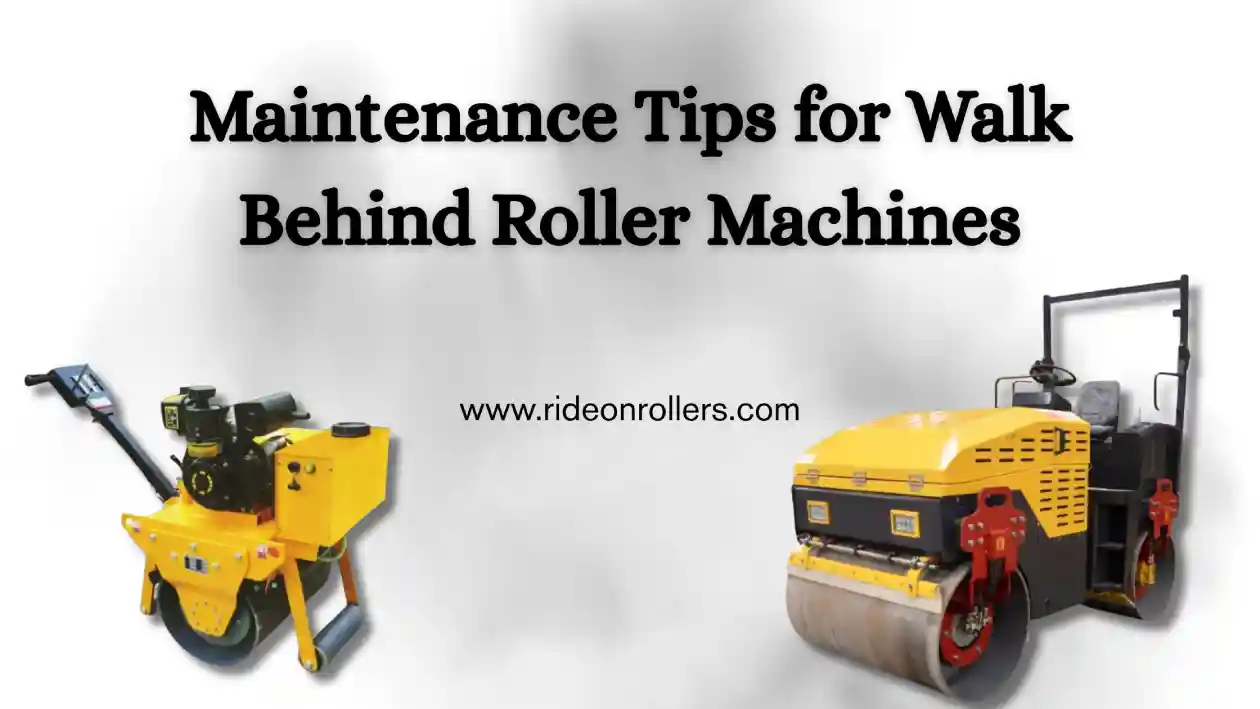
Walk behind roller machines are widely used for compacting soil, asphalt, granular materials, pathways, repair areas, and other construction surfaces. Their compact size makes them particularly useful where larger rollers may have difficulty operating, such as narrow roads, smaller construction sites, trenches, repair areas, and confined spaces.
Like any construction machine, a walk behind roller requires regular inspection and maintenance. Construction sites expose equipment to dust, mud, vibration, moisture, uneven surfaces, and long operating hours. Without proper care, these conditions can contribute to premature wear and unexpected breakdowns.
Regular maintenance does not have to be complicated. A practical routine involving inspection, cleaning, lubrication, fluid checks, and scheduled servicing can help maintain machine performance and extend equipment life.
Shree Shakti Infratech manufactures construction equipment including walk behind single-drum and double-drum rollers.
Why Regular Maintenance Matters
A walk behind roller works under demanding construction conditions. Its engine, drum, vibration system, controls, bearings, fasteners, and other components are exposed to continuous movement and vibration.
Regular maintenance can help contractors:
- Reduce unexpected breakdowns
- Maintain consistent compaction performance
- Identify small problems before they become major repairs
- Reduce unnecessary downtime
- Protect important machine components
- Improve equipment availability between projects
Preventive maintenance is particularly useful for contractors who depend on the same machine across multiple construction sites.
1. Inspect the Machine Before Starting Work
A quick inspection should be carried out before operating the roller.
Look around the machine for visible damage, loose components, fluid leaks, damaged hoses, unusual wear, and other obvious problems.
Pay particular attention to the drum, engine area, controls, fasteners, and any hydraulic components fitted to the particular model.
Construction-equipment maintenance guidance recommends checking for leaks, loose connections, unusual noise or vibration, and other visible problems before operation.
If a serious problem is identified, the machine should not be operated until it has been inspected by a qualified person.
2. Check Engine Oil and Other Fluids
Fluid levels should be checked according to the machine manufacturer’s instructions.
Depending on the roller model, this may include engine oil, fuel, coolant, hydraulic fluid, and other lubricants.
Low or contaminated fluids can affect machine performance and contribute to component wear.
Operators should use the recommended grades and replacement intervals specified in the machine’s operating and maintenance manual rather than using a generic lubricant without checking compatibility.
3. Keep the Air Filter Clean
Construction sites can generate considerable dust, particularly during soil preparation and earthwork.
Dust entering the engine’s air intake can reduce engine performance and increase wear.
The air filter should therefore be inspected and cleaned or replaced according to the manufacturer’s maintenance schedule.
This is particularly important when the roller is regularly used on dusty sites.
4. Clean the Roller After Each Project or Work Shift
Mud, soil, asphalt residue, and construction debris can accumulate around the drum and other machine components.
Cleaning the machine after use helps prevent buildup and makes it easier to identify leaks, cracks, loose fasteners, and other issues during the next inspection.
Particular attention should be given to the drum surface, scrapers, lower sections of the machine, and areas around moving components.
Manufacturer maintenance guidance for rollers also emphasizes cleaning the machine and removing accumulated dirt and debris.
When washing the machine, avoid directing high-pressure water into electrical components, engine air intakes, exhaust openings, or other sensitive areas.
5. Inspect the Drum Regularly
The drum is one of the most important working components of a roller.
Operators should check it for:
- Dents
- Cracks
- Excessive wear
- Material buildup
- Uneven damage
- Loose components
A damaged or excessively worn drum can affect the consistency of compaction.
Keeping the drum clean also makes it easier to identify problems at an early stage.
6. Check the Vibration System
For vibratory walk-behind rollers, the vibration system is essential to the machine’s compaction performance.
Operators should pay attention to unusual vibration, abnormal noise, changes in vibration performance, or signs of looseness.
The relevant bearings, fasteners, eccentric components, and vibration mechanism should be inspected according to the manufacturer’s maintenance schedule.
If vibration suddenly becomes unusually strong, irregular, or noisy, stop operation and have the machine checked rather than continuing to use it.
7. Inspect Bolts, Nuts, and Fasteners
Construction machinery experiences continuous vibration, which can gradually loosen fasteners.
Regularly inspect accessible bolts, nuts, brackets, guards, handles, and other connections.
Loose fasteners should be tightened according to the manufacturer’s specified procedures and torque requirements.
Do not simply tighten every component as tightly as possible. Over-tightening can also damage components.
8. Lubricate Moving Components
Proper lubrication helps reduce friction and wear in components that require regular lubrication.
Depending on the machine design, lubrication points may include bearings, joints, shafts, linkages, and other moving parts.
Use only the lubricant recommended by the manufacturer and follow the prescribed maintenance intervals.
Regular lubrication is a basic but important part of preventive maintenance for construction rollers.
9. Check Hydraulic Components Where Applicable
Some walk-behind rollers use hydraulic systems for travel, steering, vibration, or other machine functions.
If the machine has hydraulic components, inspect the system for:
- Oil leaks
- Damaged hoses
- Loose connections
- Unusual operating behaviour
- Low fluid levels
Hydraulic leaks should not be ignored. A small leak can become a larger failure and can also create a safety or environmental problem.
Hydraulic inspection should be carried out according to the specific machine’s service manual.
10. Inspect the Battery and Electrical System
The battery, cables, terminals, switches, wiring, and other electrical components should be inspected periodically.
Look for corrosion, loose connections, damaged wiring, or signs of electrical problems.
Before carrying out electrical maintenance, make sure the machine is switched off and follow the manufacturer’s safety instructions.
Proper battery care is particularly important when a roller is stored for extended periods between projects.
11. Monitor Unusual Noise and Vibration
Operators are often the first people to notice changes in machine behaviour.
Unusual sounds, excessive vibration, reduced performance, difficulty starting, fluid leakage, or changes in travel behaviour should be treated as warning signs.
Small problems can become expensive repairs if the machine continues operating without inspection.
Keeping an operating log can also help maintenance teams identify recurring issues.
12. Follow an Hour-Based Service Schedule
Daily checks are important, but they are not a substitute for scheduled servicing.
Maintenance requirements should be based on the manufacturer’s recommended operating-hour intervals.
Depending on the machine, periodic servicing may involve engine oil and filter replacement, gearbox or hydraulic checks, belt inspection, lubrication, vibration-system inspection, and other component checks.
Maintenance intervals vary between machines, so contractors should follow the specific manual rather than applying one universal schedule. Road-roller maintenance guidance similarly uses scheduled operating-hour intervals for preventive servicing.
13. Train Operators Properly
Good maintenance starts with proper operation.
Operators should understand the machine’s controls, operating limits, starting and stopping procedures, safe working practices, and basic inspection requirements.
Improper operation can increase wear on the drum, vibration system, engine, and drive components.
Operators should also report unusual sounds, leaks, or performance changes immediately instead of continuing to operate a machine that may require attention.
14. Store the Roller Properly
When the roller is not being used, it should be stored in an appropriate location.
Ideally, the machine should be kept in a dry and protected area away from unnecessary exposure to rain, standing water, and excessive dust.
Before extended storage, contractors should follow the manufacturer’s recommendations for fuel, battery, lubrication, and other storage requirements.
Proper storage is particularly important when equipment remains unused between construction projects.
15. Maintain a Service Record
Keeping a simple maintenance record can make equipment management much easier.
Record important information such as:
- Operating hours
- Oil changes
- Filter replacement
- Lubrication
- Repairs
- Parts replaced
- Inspections
- Operator-reported problems
A maintenance log can help contractors identify recurring problems and plan servicing before a major component fails.
It can also be useful when managing several construction machines across different projects.
Common Walk Behind Roller Maintenance Mistakes
Some maintenance problems occur because basic checks are overlooked.
Common mistakes include:
- Ignoring small leaks: A minor leak can develop into a larger mechanical or hydraulic problem.
- Skipping daily inspections: Small defects may go unnoticed until they affect machine operation.
- Using incorrect lubricants: Lubricants should match the manufacturer’s specifications.
- Allowing dirt to accumulate: Excessive mud and debris can hide leaks and contribute to component wear.
- Ignoring unusual vibration: Changes in vibration can indicate a problem with the vibration system or another component.
- Delaying scheduled servicing: Operating beyond recommended service intervals can increase the risk of premature wear.
Maintenance Checklist for Contractors
A simple maintenance routine can be divided into three stages.
Before Operation
Check the machine’s general condition, fluid levels, visible leaks, drum condition, fasteners, controls, and any warning indicators.
During Operation
Pay attention to unusual noise, vibration, overheating, fluid leakage, reduced compaction performance, or changes in machine behaviour.
After Operation
Clean the machine, inspect the drum and working components, report defects, and complete the required maintenance or lubrication.
This routine can help contractors keep their equipment ready for the next working shift.
Why Equipment Quality and Maintenance Go Together
Maintenance is important, but the quality and design of the machine also matter.
A well-designed walk behind roller should be practical to operate, inspect, service, and maintain.
Contractors should consider accessibility of maintenance points, construction quality, component availability, operator controls, and manufacturer support when purchasing a new machine.
Choosing equipment from an experienced Ride on Roller Manufacturer can also help businesses access product-specific maintenance information and support.
Shree Shakti Infratech – Construction Equipment Manufacturer
Shree Shakti Infratech manufactures construction equipment including walk behind single-drum rollers, walk behind double-drum rollers, plate compactors, tamping rammers, concrete mixers, and other construction machinery.
For contractors considering a walk behind roller, product selection should be based on the intended application, required compaction work, site conditions, machine configuration, and expected operating schedule.
Maintenance requirements should also be discussed before purchase so operators understand the recommended service routine for the specific model.
Conclusion
Regular maintenance is essential for keeping walk-behind roller machines reliable and ready for construction work.
Daily inspection, correct fluid levels, clean air filters, drum cleaning, lubrication, fastener checks, vibration-system inspection, electrical checks, and scheduled servicing can all contribute to better equipment reliability.
Contractors should also train operators to identify unusual sounds, vibration, leaks, and other warning signs before they become serious problems.
Most importantly, maintenance schedules should always follow the manufacturer’s instructions for the specific roller model. Different machines can have different service intervals and component requirements.
For contractors investing in construction equipment, choosing a reliable Ride on Roller Manufacturer and maintaining the machine correctly can help protect the equipment investment, reduce avoidable downtime, and support consistent compaction performance throughout its working life.